Blog
China’s personal luxury market down 3–5% in 2025: Bain

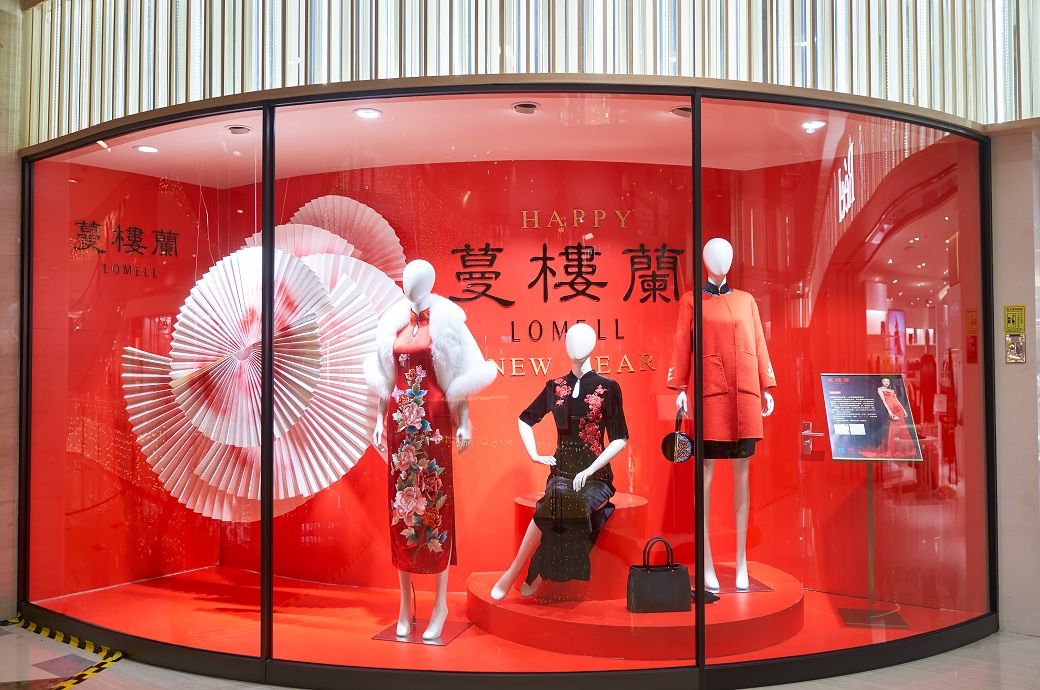
The report finds that 2025 marked a year of recalibration for China’s luxury market, as consumers became more selective and prioritised value driven luxury items that balance quality, exclusivity and practicality. Experience-based consumption, including travel and wellness, continued to be favoured, reflecting an ongoing preference for emotional and sensory experiences over material goods.
“After the turbulence of 2024, the market in 2025 began to stabilize, although consumer confidence remained fragile,” said Bruno Lannes, senior partner at Bain & Company. “What we are seeing is not a broad-based rebound, but the start of a recalibration phase, with early signs of recovery emerging in the second half of the year. This recalibration is also segment specific, with the Very Important Clients continuing to represent a large share of the market, while younger aspiring consumers have delayed entry into the luxury category.”
Luxury market performance varied significantly by category. Beauty emerged as the strongest performer, rebounding to 4–7 per cent growth, driven by steady demand for ultra-premium skincare and fragrances as consumers continued to seek emotional and sensory experiences even amid economic uncertainty. Other categories remained under pressure.
Fashion declined by 5–8 per cent, outperforming leather goods which declined 8–11 per cent – reflecting past and ongoing price increases and limited innovation, which made it difficult for consumers to justify purchases.
“In a more selective market, category dynamics and brand fundamentals are becoming increasingly decisive,” said Priscilla Dell’Orto, partner at Bain & Company. “Brands that maintain strong desirability and deliver clear value through innovation and targeted pricing strategies are proving more resilient.”
In contrast to 2023 and 2024, the share of overseas luxury spending declined sharply in 2025. Bain estimates that 65 per cent of Chinese luxury consumption occurred within mainland China, while 35 per cent took place outside, reflecting a renewed degree of consumption repatriation.
This shift was driven in part by low currency and narrowed price gaps between mainland China and key luxury markets, largely resulting from exchange-rate movements, which reduced the incentive for overseas shopping. Domestic tourism growth and ongoing shopping mall promotions further supported mainland consumption, despite the continued recovery of outbound travel.
Daigou activity stayed high in 2025 but showed signs of structural slowdown as brands stepped up efforts to curb gray-market sales and protect pricing in China. Sales among the top 45 brands tracked by Re-Hub grew 3 per cent in 2025, down from 5 per cent in 2024, reflecting tighter control over overseas supply chains and unofficial channels.
At the same time, China’s second-hand luxury market continued to expand, growing by 15–20 per cent in 2025, while remaining underpenetrated at less than 10 per cent of the primary luxury market. Growth was supported by an increased supply of pre-owned goods, rising consumer acceptance – particularly among younger and more price-sensitive buyers – and the widespread adoption of live-streaming as a trusted channel for product verification and engagement.
“The second-hand market is becoming a more established and complementary pillar of China’s luxury ecosystem,” said Elle Yang, partner at Bain & Company. “Its continued growth reflects changing consumer mindsets as well as the increasing maturity of the overall market.”
The report also points to the continued growth of local Chinese luxury brands, especially in beauty and select personal luxury segments. These players are gaining market share through culturally resonant designs, digital-first and engagement-driven consumer strategies, and competitive pricing supported by strong local supply chains.
As competition intensifies in a low-growth environment, the gap between winners and laggards is widening, with consumers consolidating their spending toward a smaller number of preferred brands that deliver perceived ‘true value’.
Looking ahead, Bain expects China’s personal luxury goods market to see modest growth in 2026, albeit with continued volatility and uncertainty. A growing middle class, improving consumer confidence and favourable policies are expected to help direct more luxury consumption back to the mainland, while growth will remain highly category- and brand-dependent.
Fibre2Fashion News Desk (RR)